
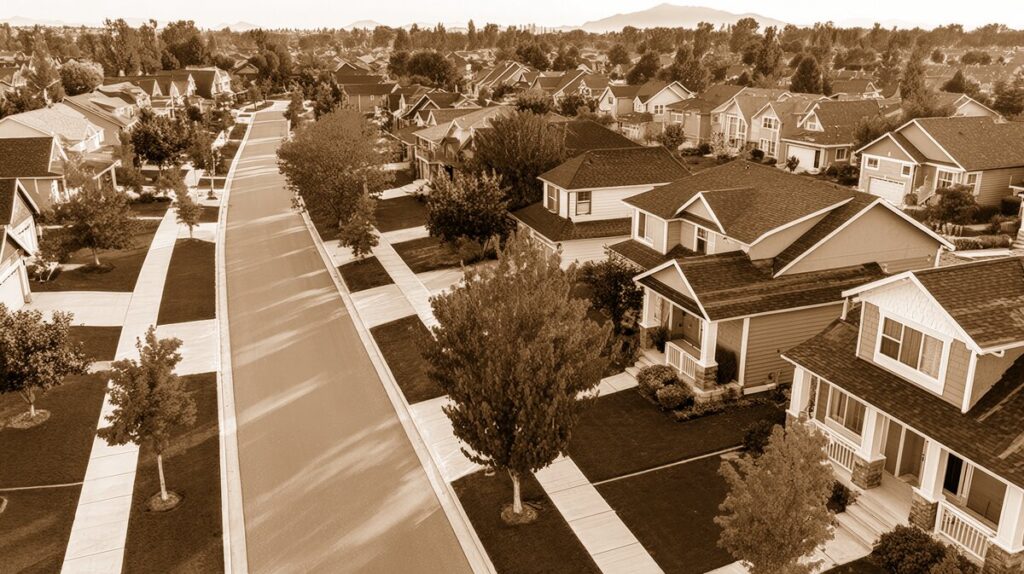
Nestled just east of downtown Dayton, Walnut Hills stands as a testament to the city’s enduring spirit and layered history. With leafy streets, historic homes, and community touchstones that have endured for generations, this neighborhood tells a unique story—one that spans from Dayton’s early days to its vibrant present. Whether you’re new to the area or a lifelong resident, exploring Walnut Hills means walking through chapters of Dayton’s heritage, with each corner offering echoes of the past and the promise of the future.
Origins of Walnut Hills
Walnut Hills’ history dates back to the late 19th century, as Dayton’s population began to spill outward from its bustling downtown core. The neighborhood’s name is believed to have arisen quite literally—an acknowledgment of the black walnut trees that once dotted its gently rolling terrain. These trees provided both natural beauty and shade, inspiring early developers to brand the area with a name that conjures images of wooded tranquility—a precious commodity for those seeking respite from city life.
Development in Walnut Hills began in earnest in the 1890s, when new trolley lines made it possible for working families to settle beyond the downtown. Early plat maps show Walnut Hills crisscrossed with tree-lined streets—Grand Avenue, Forest Avenue, and Wayne Avenue among them—each quickly filling with stately houses, cozy bungalows, and corner shops that helped bind the community together.
Key Historical Milestones
Through the decades, Walnut Hills has played host to significant milestones in Dayton’s story:
- Early Growth (1890s–1920s): The neighborhood blossomed as streetcars brought new residents. Architecturally, this era is reflected in the ornate Victorian homes and Craftsman cottages still found throughout Walnut Hills today. The neighborhood’s layout, with its broad sidewalks and shaded boulevards, encouraged neighborly connections.
- The Great Dayton Flood of 1913: While Walnut Hills stands on relatively high ground, many residents played active roles in the citywide relief efforts following this catastrophic event. Some even opened their homes to displaced families, cementing Walnut Hills’ reputation for generosity.
- Post-War Years (1940s–1960s): The post-WWII boom brought renewal and more amenities, including new businesses along Wayne Avenue and the expansion of neighborhood schools. Community institutions flourished, bringing together residents for festivals, block parties, and civic improvement projects.
- Historic Preservation (1970s–Present): In recent decades, Walnut Hills has become a hub for historic preservation in Dayton. Efforts to restore original home facades and protect aging landmarks reflect a deep local pride in the neighborhood’s storied past.
Notable Landmarks and Buildings
A stroll through Walnut Hills reveals several beloved landmarks, each with its own story to tell:
- Longfellow School (245 Salem Avenue): Though technically just outside the neighborhood’s core, this stately school was a vital institution for many Walnut Hills families. The red-brick building, with its imposing bell tower, was a centerpiece of education and community events for decades.
- St. Paul Lutheran Church (239 Wayne Avenue): Established in the early 20th century, this church served as both a spiritual anchor and a gathering place for neighborhood residents. Its handsome stone facade and stained-glass windows have watched over generations of Walnut Hills families.
- Walnut Hills Park: At the neighborhood’s heart, Walnut Hills Park remains a cherished green space offering playgrounds, picnic areas, and walking trails shaded by the descendants of the original walnut trees. It’s been a gathering place for community celebrations and quiet reflection for over a century.
- Grand Avenue Homes: Many of the homes lining Grand Avenue—a main artery through the neighborhood—are architectural gems, ranging from early 1900s Victorians to classic American Foursquares. They tell the story of Walnut Hills’ evolution and the aspirations of its residents.
Evolution Through the Decades
Walnut Hills has changed in countless ways over its long life, its resilience shining through periods of challenge and renewal:
- Community Engagement: From neighborhood watch programs to beautification campaigns, Walnut Hills residents have always taken pride in looking after their streets. The Walnut Hills Neighborhood Association continues this tradition, advocating for smart development and hosting events that bring neighbors together for everything from holiday parties to block cleanups.
- A Hub for Diversity: Over the years, Walnut Hills has attracted a spectrum of residents, adding to its rich cultural fabric. The streets hum with a sense of inclusion, where multi-generational families live alongside newcomers drawn by the neighborhood’s welcoming vibe and affordable charm.
- Renewed Investment: In the 21st century, Walnut Hills has seen new life as locally-owned businesses and cafes have spread along Wayne and Wyoming Avenues. This resurgence, fueled by both veteran residents and fresh faces, has breathed new vitality into the neighborhood—a testament to its enduring appeal.
The Spirit of Walnut Hills Today
Ask any longtime resident what makes Walnut Hills special, and you’ll get a common answer: the sense of belonging. Whether chatting with neighbors at the park, enjoying the architectural beauty of the old homes, or participating in summer block parties, there’s a shared appreciation for the neighborhood’s roots and the heritage it represents.
Today, Walnut Hills is a place where the past and present live side by side—where tree-lined avenues whisper of Dayton’s early days, and community initiatives point toward a hopeful future. Its parks, churches, and homes remind residents and visitors alike that a neighborhood is more than just buildings and streets; it’s the collective spirit of its people that makes it truly remarkable.
Discover Walnut Hills
So, the next time you walk down Forest Avenue or linger in the shade at Walnut Hills Park, take a moment to consider the history beneath your feet. From its humble origins and towering walnut trees to the vibrant community it is today, Walnut Hills offers not just a glimpse into Dayton’s past, but a warm invitation to be part of its future.